The marketing version says wood fireplaces are work and gas fireplaces are freedom. The trade version is less tidy: the two fuels maintain differently, not unequally — and the gas fireplace's reputation for needing nothing is the most expensive myth in the hearth business. Here is what each fuel actually asks of you.
Wood: the honest labor
Wood's maintenance is visible and well understood. Creosote builds in the flue with every fire, so the flue is swept on the rhythm its buildup sets — annually for regular burners, as our interval guide details. Ash is removed as it accumulates (leaving a thin bed for insulation, taking the excess before it spills and chokes airflow). The damper, firebox and smoke chamber are cleaned and checked with the sweep. The woodpile itself is maintenance: seasoned wood, kept dry, is the difference between a clean flue and a stage-2 creosote problem. None of this is optional, and none of it is mysterious — wood tells you what it needs, in soot, where you can see it.
Gas: the invisible labor
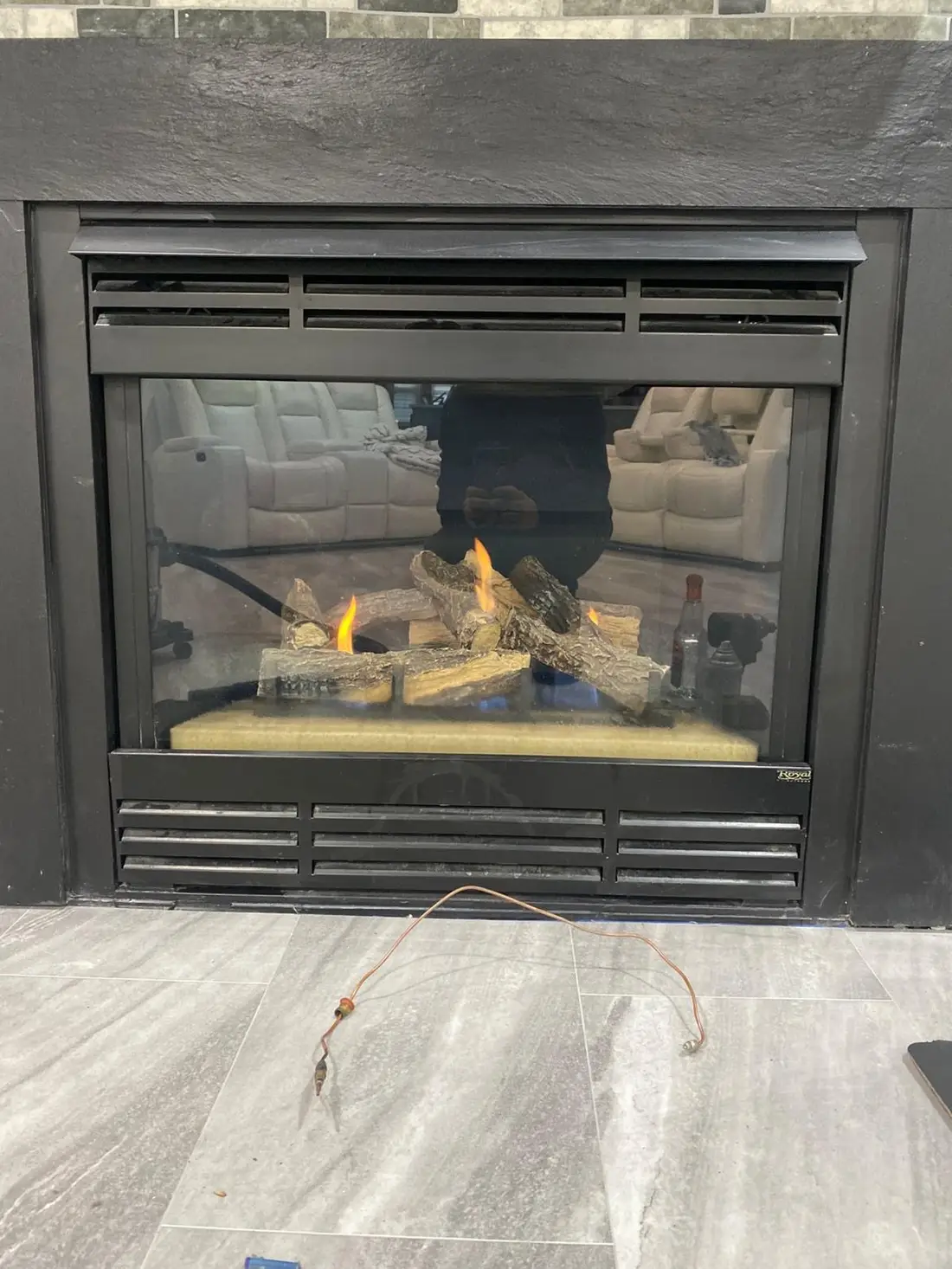
Gas burns clean — no creosote, no ash pile — and that cleanliness hides its maintenance list. The burner ports clog gradually with dust, hair and combustion residue; the flame goes lazy and yellow, soots the logs and glass, and nobody notices because it still lights. The pilot assembly and its sensors age; the classic "won't stay lit" failure is a maintenance item that became a repair by neglect. The logs are positioned precisely by design — a log shifted during a homeowner's glass cleaning disturbs the flame pattern and soots everything downstream. The glass gasket, a safety seal, hardens with years. And the venting — direct-vent or flue — blocks exactly like a wood flue does: wasps, birds, debris, at the termination nobody inspects. An annual gas service covers this whole list in one visit; skip five of them and the list presents itself as a breakdown on the coldest weekend of the year.
The shared list: what both fuels need
Some maintenance ignores fuel entirely. The chimney structure — cap, crown, flashing, joints — weathers identically over a gas flue and a wood flue, and water does not ask what burned below it. The flue itself needs periodic inspection under both fuels: wood for creosote and tile condition, gas for blockage and for the condensate corrosion that cool gas exhaust inflicts on tile joints — a leading cause of liner failure that gas owners never see coming. Carbon monoxide discipline is shared too: detectors in the home, and a professional look at any appliance whose flame behavior changes — yellow, lifting, sooting — under either fuel.
Cost and effort, honestly compared
Wood's rhythm: an annual sweep-and-inspection visit, plus your own ash and woodpile habits — the higher-effort, higher-feedback path. Gas's rhythm: an annual service visit, plus nothing — until the year the neglected items converge, when gas repairs (valves, control modules, blower motors on circulating models) typically out-cost anything in wood's routine budget. Over a decade, the totals land closer than the showroom promised either way. What differs is the failure style: wood degrades visibly and gradually, gas degrades silently and then stops. Choose your fuel for the fire you love; budget the maintenance it actually has, not the maintenance in the brochure.
The conversion question
Owners converting wood to gas (or adding a gas insert) often ask whether the old flue still matters. It does — an insert vents through the existing chimney, which must be inspected and usually lined or verified for the new appliance before installation, not after. The chimney does not retire when the fuel changes; it takes a new job, with new condensate and sizing requirements. Our liner page explains the sizing logic. And owners who keep both — a wood fireplace upstairs, gas below — simply run both lists. The house does not grade on a curve, and neither does the weather.
The one-line summary
Wood needs its flue swept and its creosote managed; gas needs its burner, pilot, logs and venting serviced; both need their chimney inspected and their cap and crown sound. Put either fuel on an annual professional visit and it will serve for decades. Put either on a "maintenance-free" plan and it will eventually correct your understanding — politely, if you are lucky, and in writing on an invoice, if you are not.