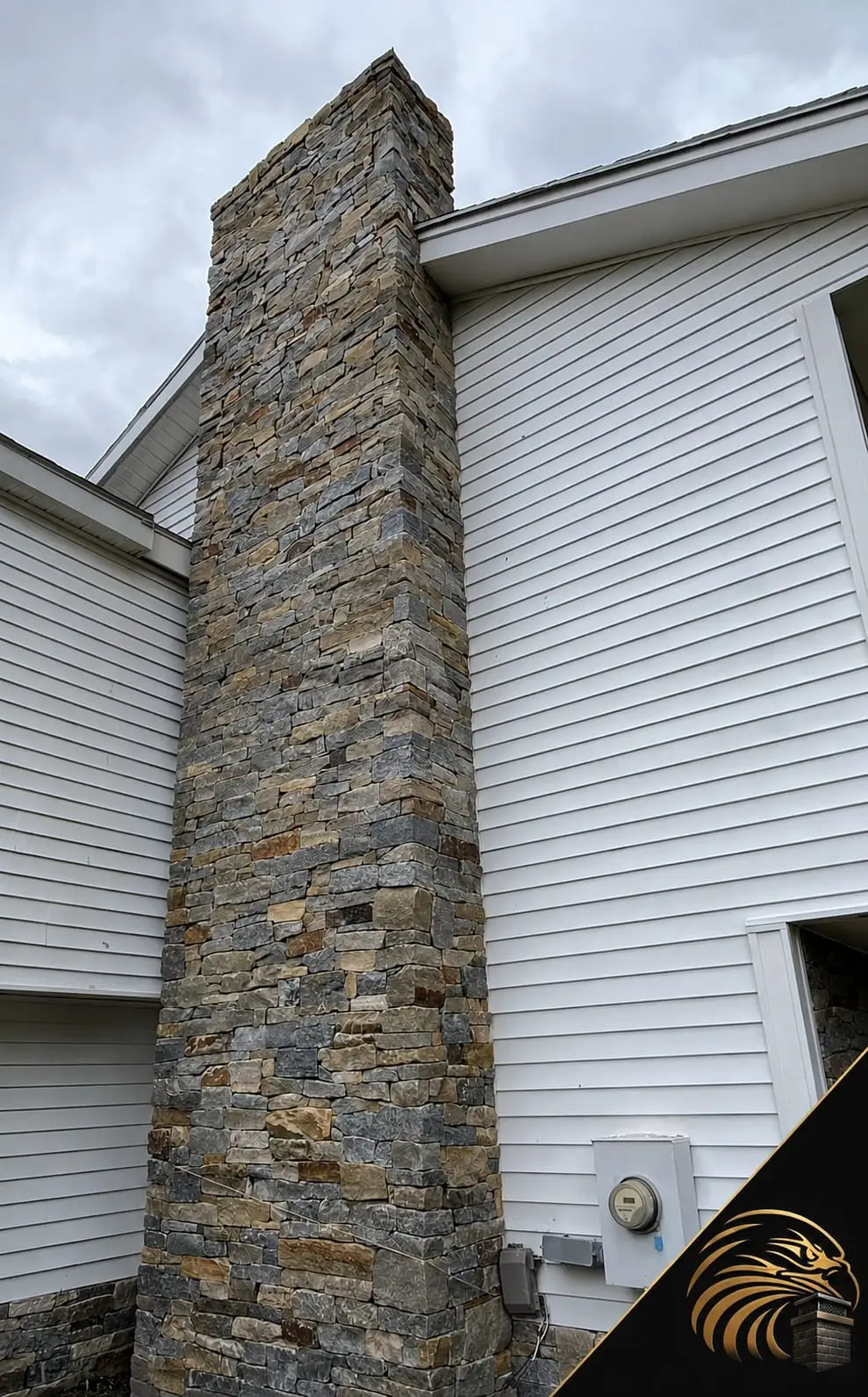
A fireplace sells houses. It also hides the most expensive per-foot repair list in the building — inside a brick tower whose interior nobody in the transaction has seen. Sellers rarely know their chimney's condition (most owners never look inside it either), and a general home inspection, which is visual and surface-level by design, cannot evaluate a flue. This checklist closes that gap before the chimney becomes your inheritance.
Ask the seller these questions
When was the chimney last swept, and last inspected — and is there paperwork? (A maintained chimney usually comes with a paper trail; a decade of silence is itself an answer.) What fuel does each flue serve — fireplace only, or furnace and water heater too? Has there ever been a chimney fire, a lightning strike, or water intrusion around the chimney? Have animals ever nested in it? Has any work been done — a liner, a cap, repointing — and by whom? Sellers answer honestly more often than buyers fear, because most genuinely believe their chimney is fine. Your job is not to catch them lying; it is to replace belief with a camera.
Look for these from the ground and the couch
Outside: a missing or rusted cap; white staining on the brick; mortar visibly recessed; a crown that looks cracked even through binoculars; any lean or separation where the chimney meets the house. Inside: smoke staining above the firebox opening; rust on the damper; a damper that will not move; pieces of tile or mortar in the ash; water staining on the ceiling near the chimney's path; a fireplace room that smells of soot on humid days. Our full repair signs guide translates each of these. Any two of them together justify making the chimney a formal part of your purchase process rather than a post-closing surprise.
The camera inspection: your contingency-period move
The decisive step is a professional chimney inspection with a camera scan, scheduled during the inspection contingency. It answers, with footage, the questions nothing else can: Are the flue tiles intact? Are the joints sealed? Is there a liner at all (pre-war homes often have none)? What stage is the creosote? Is the furnace flue — the one that matters for carbon monoxide every single day — sound? The cost is a rounding error in a home purchase; the findings routinely reprice or restructure deals, because the repairs they reveal are real money: a stainless relining, masonry rebuilds, crown and flashing work. Sellers credit documented, photographed findings. They do not credit hunches — which is why the report's photographs are the most negotiable document in the transaction.
What findings mean for the negotiation
Sort the report the way we write it. Safety items — cracked-through tiles, an unlined flue serving a furnace, fire damage — are the strong asks: repair by seller, credit at closing, or price adjustment, because they bear on insurability and habitability, and your insurer may have its own opinion about a compromised flue. Maintenance items — a due sweep, an aging cap, early joint erosion — are the moderate asks or the accepted homework; price them from the written quotes and decide what they mean to your offer. Cosmetic items are neither. A buyer who walks in with a photographed, quoted chimney report negotiates from evidence — and a seller who has maintained the chimney should welcome the same inspection, because a clean report is a selling point with footage attached.
After closing: the first-season plan
Whatever the inspection found, your first season has a shape: sweep and service before the first fire (start your own paper trail clean), address safety items before using any appliance on that flue, fit the cap if it is missing, and put the chimney on the annual rhythm from our interval guide. If the home has a gas furnace on a masonry flue, make its liner status your first verification, before the heating season leans on it. The fireplace that sold you the house will keep its promises — once somebody has finally looked inside the chimney and said, with evidence, what it needs.